

Improving ASL through Immersion
Signers of every level benefit when you get out of your comfort zone

If you’re looking for a sign to start learning sign, this is your sign!
Learning a new language is always a useful skill, but I would argue that learning American Sign Language (or your country’s official signed language, if you’re not in America) is the best foreign language you can choose to pick up. From talking in loud places, to talking without disturbing quiet places—sign language trumps verbal language in so many situations. When I learned to SCUBA, I couldn’t understand why no one bothered to learn sign language. They would buy expensive underwater writing tablets instead.
Build Your Skills
If you don’t already know any sign, then start by learning to fingerspell.
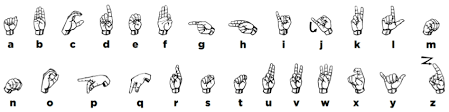
Confidence in fingerspelling = confidence in signing. If you can fingerspell, then you can learn all of your other signing through conversation. As your vocabulary increases, you will rely on fingerspelling less and less, but having a confident foundation in fingerspelling will allow you to learn without the stress of derailing every conversation to learn all the new vocabulary.
For your foundational skills, I recommend: Bill Vicar's 100 First Signs. Bill Vicars is the Deaf man behind ASL University, also known as "Life Print". As far as free resources go, this website is time tested and relatively well received by the Deaf community. I’ve heard chatter of some drama, but nothing regarding his signing. As someone who grew up signing in Ohio, then moved to Colorado, I think Bill does a great job of addressing regional variances. He is from California, and I never had issues being understood, like some people worry. There are lots of local “accents” to ASL, but it’s not so strong that you cannot be understood when you leave the area.
If you can afford to pay for instruction, Gallaudet University offers access to college level sign language courses, taught “anytime, anywhere.” These courses allow you to engage at a distance–learning whenever and wherever you choose.
Take the Leap
Going to your first silent weekend can be a nerve-wracking experience. I remember the first time I went, I felt so much pressure, I forgot everything I knew. I shook horribly every time I signed, and I would mess up my own name of all things. There may have been a bit of social anxiety at play here, as well.
Within 24 hours of arriving, signing feels so natural. I’ve witnessed it in newcomers every year. They come nervous and shaking, but by the second night, they are at ease in conversation.
The Deaf folk at these events are amazingly gracious. They are there to help the hearing learn this beautiful language, and they do an amazing job of communicating at the level appropriate to the newer signers. They may get excited and sign naturally fast and fluent at times, of course they do! This is one of the few times a year that they get to be in a space centered around their communication needs. But whenever you interact with them, the Deaf staff and volunteers are very good at judging your signing level and supporting you in communication.
Find an immersion experience near you by searching for ASL Silent Immersion Weekends. Consider traveling for one, if you can.
If you live in Colorado, or if you’re willing to fly into Denver, ASL Vibe is hosted biannually in Estes Park. It is at the scenic YMCA of the Rockies and has become one of my favorite events of the year. I cannot recommend it enough.
ASL Vibe has a vision to clone the flagship model to other locations and build a recurring collection of different types of Deaf Immersion events and experiences. If you would like to host something in your part of the world, contact ASL Vibe for guidance on getting started.